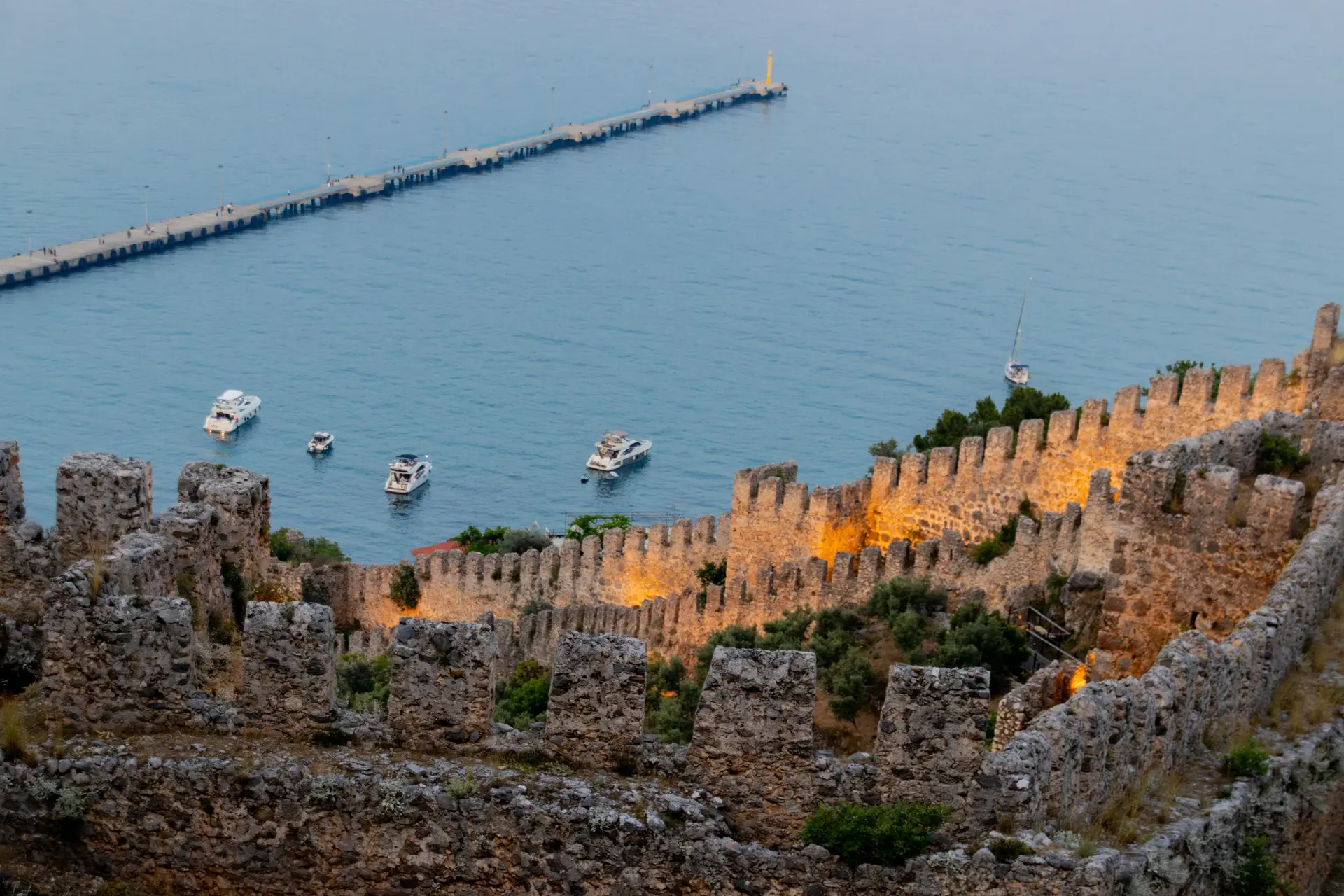
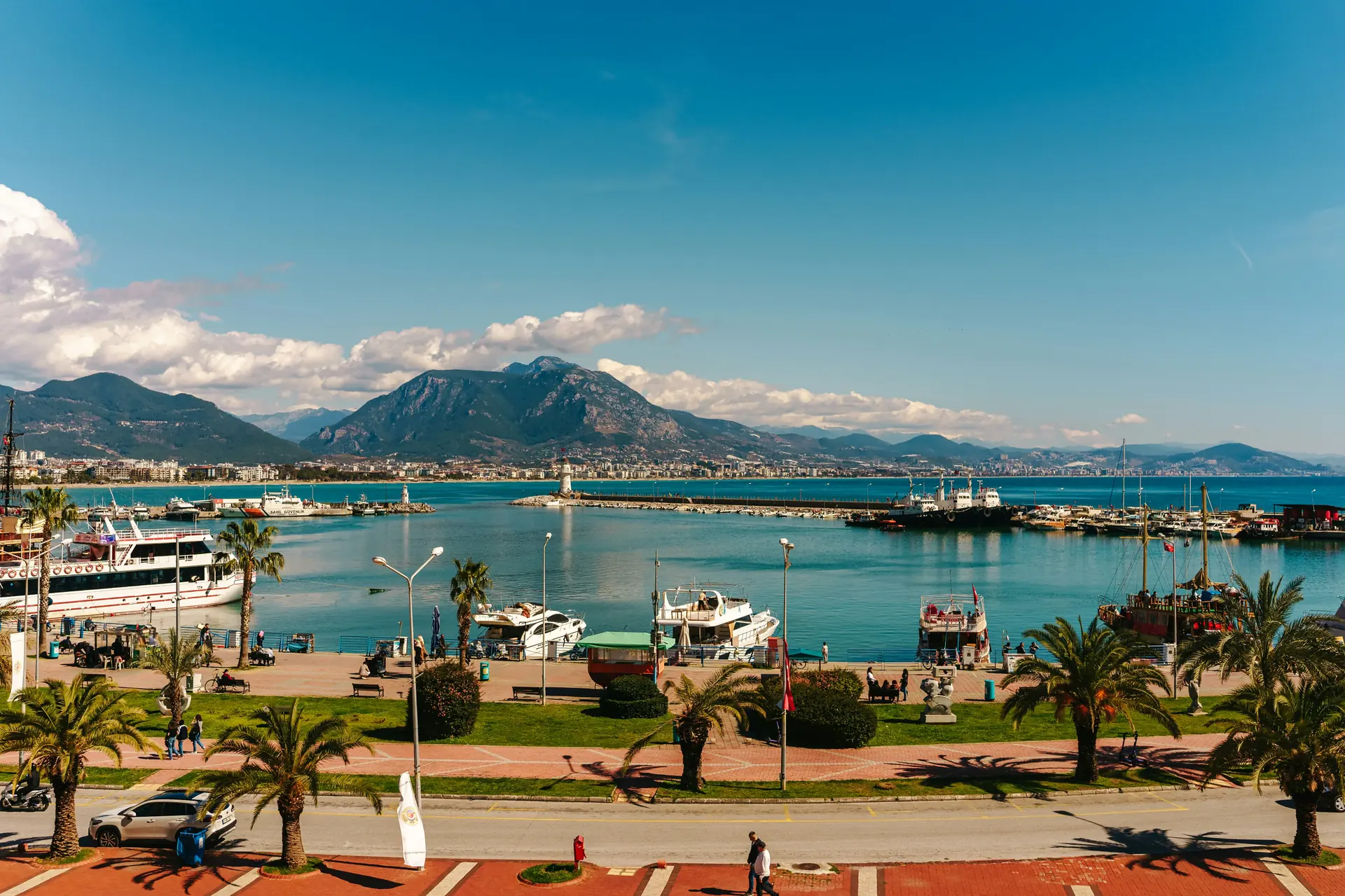
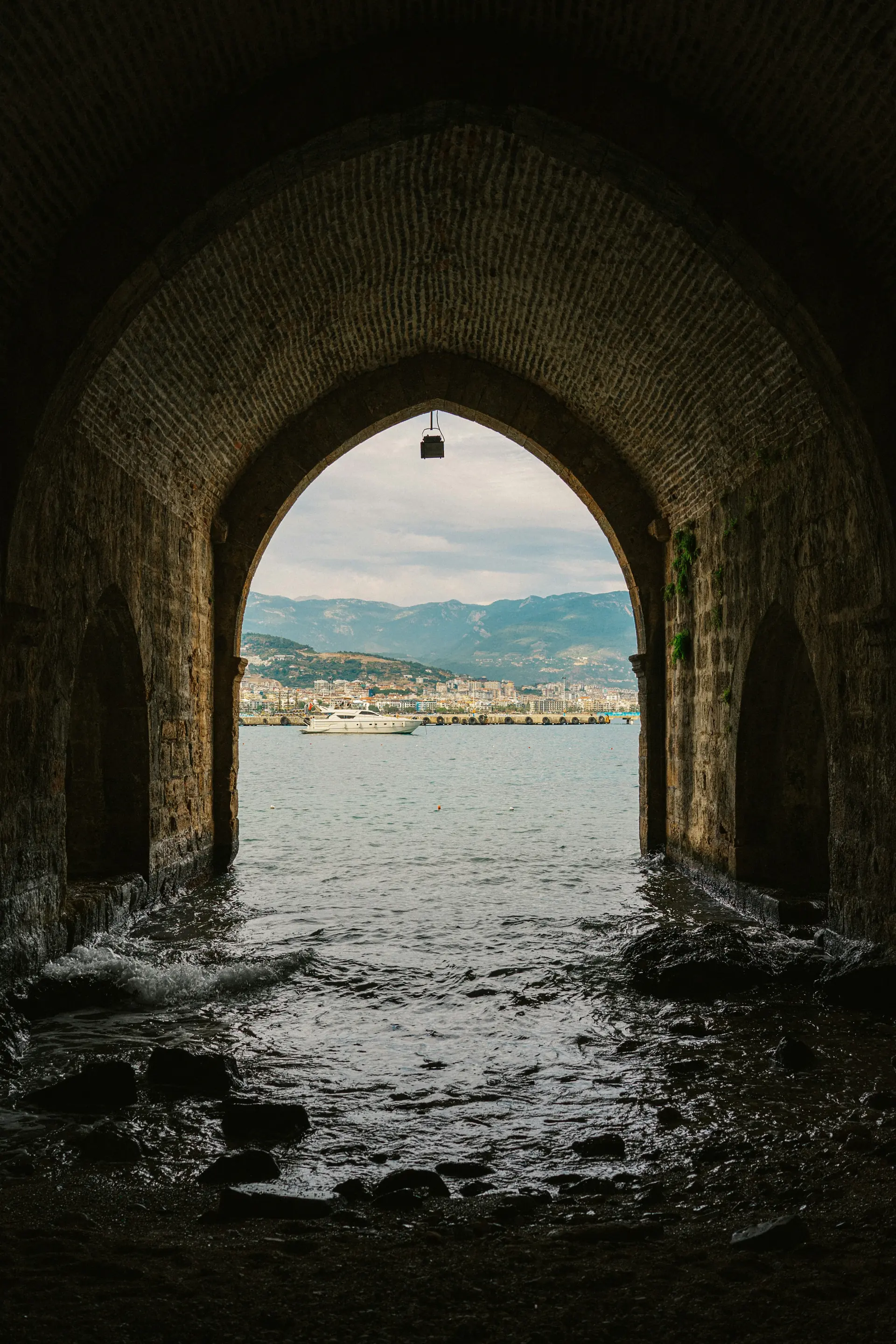
While archaeological evidence from the nearby Kadiini Cave suggests human presence as far back as the Upper Paleolithic period (20,000–17,000 BC), Alanya formally enters the historical record in the 4th century BC under the name Coracesium (derived from the Luwian word Korakassa, meaning "protruding city").
During this Hellenistic period, the Persian Empire held loose sway over the region until Alexander the Great’s conquests redistributed Anatolia among his generals. By the 2nd century BC, the rugged, fortified cliffs became a magnet for Mediterranean pirates.
A rebel named Diodotus Tryphon turned Coracesium into a heavily fortified base for sea raiders.
The pirates used the deep local caves to hoard plundered wealth and stable their fleets, posing a severe threat to maritime trade.
The Cleopatra Legend: Local lore claims that the Roman general Mark Antony later gifted Coracesium and the surrounding timber-rich forests of Cilicia to the Egyptian Queen Cleopatra as a wedding present—primarily so she could harvest the dense cedar trees to build her naval fleet.
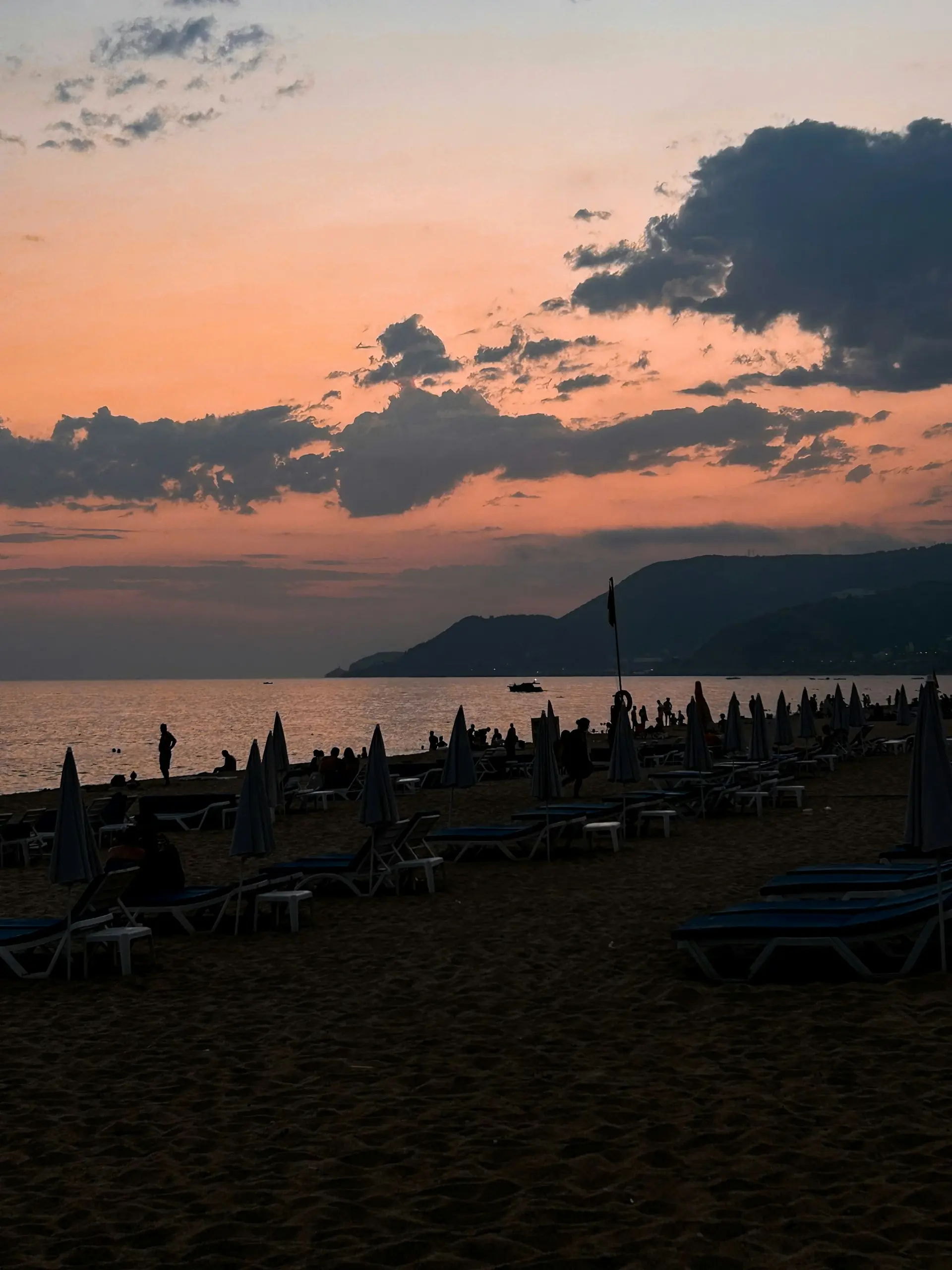
Today, the city’s most famous stretch of sand bears her name: Cleopatra Beach.