Fethiye, a bustling resort city nestled along Turkey’s famous Turquoise Coast, is widely celebrated today for its crystal-clear waters, paragliding over Ölüdeniz, and vibrant yachting culture. However, underneath this modern tourist hub lies thousands of years of layered history. Kassandra Heritage From its mythological roots as an influential center of prophecy to its dramatic rebirth following a catastrophic 20th-century earthquake, Fethiye has spent millennia adapting to new empires, cultures, and identities. Aegean Real Estate - Aegean Locations Ancient Foundations: Telmessos and the Land of Lights Long before it was known as Fethiye, the city was called Telmessos (alternatively Telmissus). According to Greek myth, the city was established by the god Apollo, who fell in love with the daughter of King Agenor. To win her affection, Apollo transformed into a small, gentle dog. Once he gained her trust, he reverted to his divine form, and their subsequent son was named Telmessos—a name translating to "the land of lights." Kassandra Heritage + 1 By the 5th century BC, Telmessos emerged as the most crucial port city on the border of Lycia and Caria. It wasn't just a commercial hub; it was world-renowned as a center of prophecy. The diviners and oracles of Telmessos were highly respected throughout the ancient Mediterranean. Even Croesus, the fabulously wealthy King of Lydia, famously sought the advice of Telmessos’s soothsayers before entering into his fateful wars. kupi.com The Footprint of the Lycian League Though it occasionally fell under Persian or Carian control, Telmessos eventually integrated into the Lycian League, a powerful confederation of democratic city-states. The ancient Lycians left an indelible mark on Fethiye's physical landscape that remains highly visible today. Kassandra Heritage Unlike other ancient cultures who buried their dead far from the living, the Lycians believed that the souls of the departed were carried to the afterlife by winged sirens. Consequently, they placed their tombs high up on sheer cliff faces or prominently in the middle of public spaces. kupi.com Carved into the mountainside overlooking modern Fethiye stands the Tomb of Amyntas (built around the 4th century BC). As seen above, it features an extraordinary facade shaped like an Ionic temple, complete with massive hand-carved pillars and lintels. Elsewhere in Fethiye, freestanding Lycian sarcophagi still sit directly in the middle of residential streets and sidewalks, integrating ancient history seamlessly into modern daily life. kupi.com + 1 The Tomb of Amyntas. Quelle: Wikipedia Hellenistic, Roman, and Byzantine Transition In the winter of 334–333 BC, Alexander the Great swept through Anatolia. According to historical accounts, Telmessos surrendered to the Macedonian conqueror without a fight. Following Alexander's death, control of the region shifted between various Hellenistic dynasties, including the Ptolemies of Egypt, before it officially became a province of the Roman Empire in 43 AD under Emperor Claudius. kupi.com Under Roman rule, the city continued to prosper as a maritime trade capital. The Romans expanded the city's infrastructure and built a massive theater near the harbor. Aegean Real Estate - Aegean Locations The Roman Theater of Telmessos. Quelle: Wikipedia The Telmessos Theater, built utilizing the natural mountain slope for its spectator rows (cavea), could hold thousands of viewers. It represents classical Roman urban planning and stands today as a major open-air archaeological feature right in the heart of the modern harbor district. kupi.com As the Roman Empire fractured, the city transitioned into the Christian Byzantine era. In the 8th century AD, it was renamed Anastasiopolis in honor of the Byzantine Emperor Anastasius II. During this period, the offshore island of Gemiler (located just off the coast of Fethiye) became a massive pilgrimage site, housing five distinct Byzantine churches built between the 4th and 6th centuries. Some archaeologists believe Gemiler Island was the original burial site of Saint Nicholas (the historical inspiration for Santa Claus). kupi.com + 1 The Era of Makri: Seljuks, Knights, and Ottomans By the late 13th century, the Byzantine hold on southwestern Anatolia crumbled. In 1284, the region was conquered by the Turkic principality of the Menteşe Beylik. They renamed the city Makri (or Meğri), meaning "the remote city" in Greek. kupi.com + 1 In 1424, the town was formally absorbed into the expanding Ottoman Empire under Sultan Murad II. Under Ottoman governance, Makri developed a deeply multicultural identity. It functioned primarily as a peaceful fishing and agricultural community where Ottoman Turks, Greek Orthodox Christians, and Levantine traders lived side by side. kupi.com + 1 During this era, the historic hill overlooking the town was fortified into what is known today as the Fethiye Castle, featuring a blend of masonry constructed by the Knights Hospitaller (Knights of Rhodes) and subsequent Ottoman updates. kupi.com Chronology of Major Historic Transitions Period / Date Name of City Core Historic Impact 5th Century BC Telmessos Emerges as a strategic Lycian port and a legendary Mediterranean center for oracles and prophecy. 334 BC Telmessos Voluntarily surrenders to Alexander the Great during his Asian campaign. 43 AD Telmessos Incorporated into the Roman Empire; construction of the grand theater and coastal infrastructure expands. 8th Century Anastasiopolis Renamed under Byzantine rule; neighboring Gemiler Island thrives as a Christian pilgrimage route. 1284 Makri (Meğri) Captured by the Menteşe Beylik, introducing Turkish-Islamic architecture and culture. 1424 Makri Absorbed into the Ottoman Empire, developing into a diverse, multicultural port town over the centuries. 1923 Makri The Population Exchange leaves Greek enclaves like Levissi (Kayaköy) completely abandoned. 1934–Present Fethiye Officially renamed by Mustafa Kemal Atatürk to honor martyred pilot Fethi Bey; rebuilt as a modern resort city after 1957. The 20th Century: Rebirth as Fethiye The early 20th century brought sweeping, permanent changes to the city's demographic and architectural landscape. kupi.com Following the collapse of the Ottoman Empire and the Turkish War of Independence, the 1923 Population Exchange agreement between Greece and Turkey was enacted. The Greek Orthodox residents of Makri and the neighboring mountain village of Levissi were forced to resettle in Greece. This left Levissi completely deserted, transforming it into Kayaköy, the famous "ghost village" of stone shells that stands today as a haunting, open-air museum just a few kilometers outside the city center. kupi.com A New Name and a Final Rebirth In 1934, by a decree from Mustafa Kemal Atatürk, the city permanently dropped the name Makri. It was renamed Fethiye to honor Fethi Bey, one of the very first Ottoman military pilots, who tragically died in a plane crash in 1914 during a pioneering flight from Istanbul to Cairo. kupi.com The final structural turning point occurred in 1957, when a massive, catastrophic earthquake struck the region. The disaster leveled nearly all of the city’s historic Ottoman-era timber and stone houses, leaving only the sturdiest ancient monuments standing—such as the stone Lycian tombs and the foundations of the Roman theater. kupi.com A Resilient Preservation: Rather than abandoning the site, the community rebuilt Fethiye from the ground up using modern, earthquake-resistant urban planning. They intentionally preserved the ancient structures, resulting in the distinct modern layout seen today: a clean, walkable Mediterranean city where 2,500-year-old Lycian history sits side-by-side with 21st-century seaside promenades. Kassandra Heritage
City History
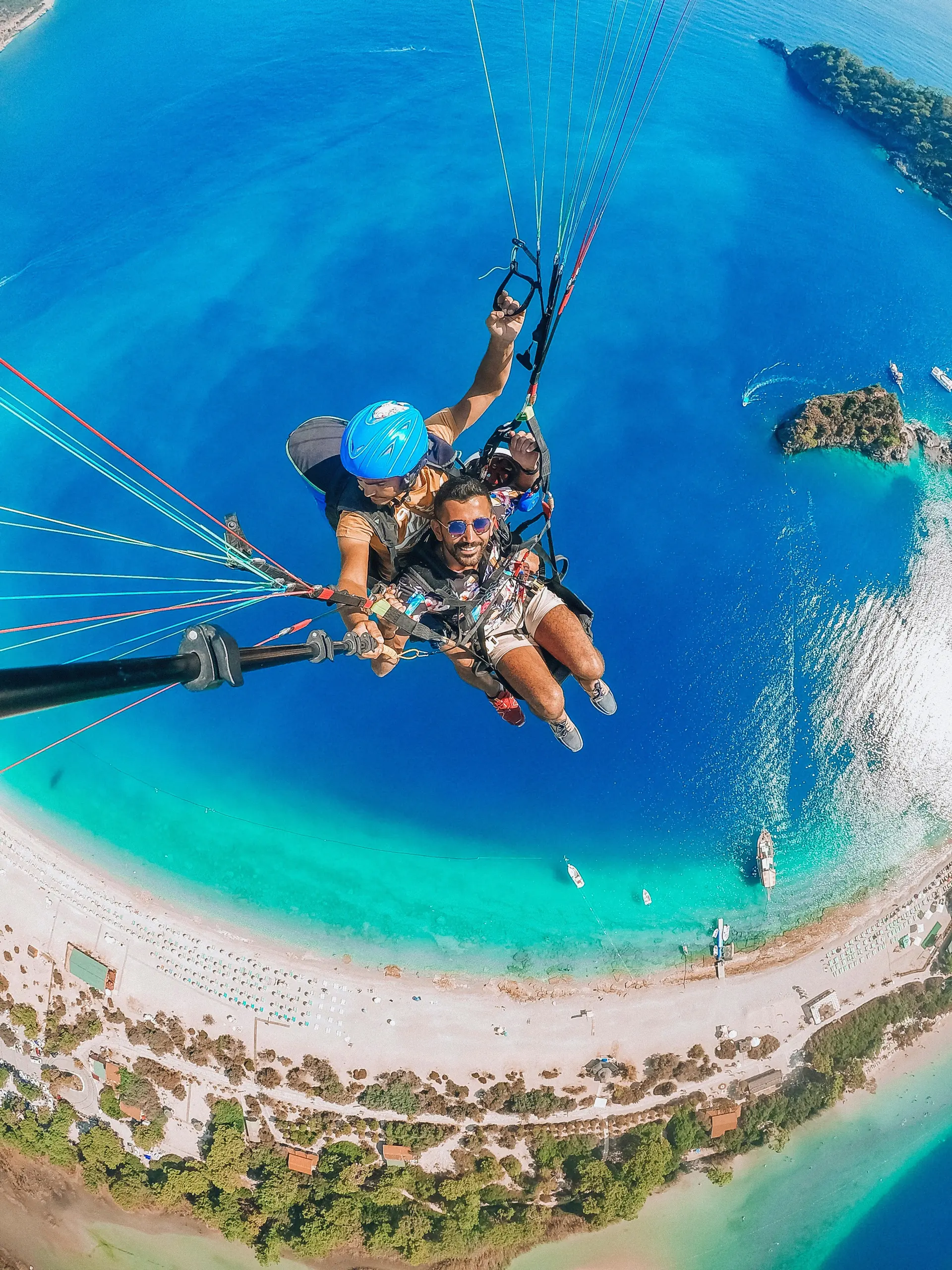
📷 Fethiye Charbel Aoun
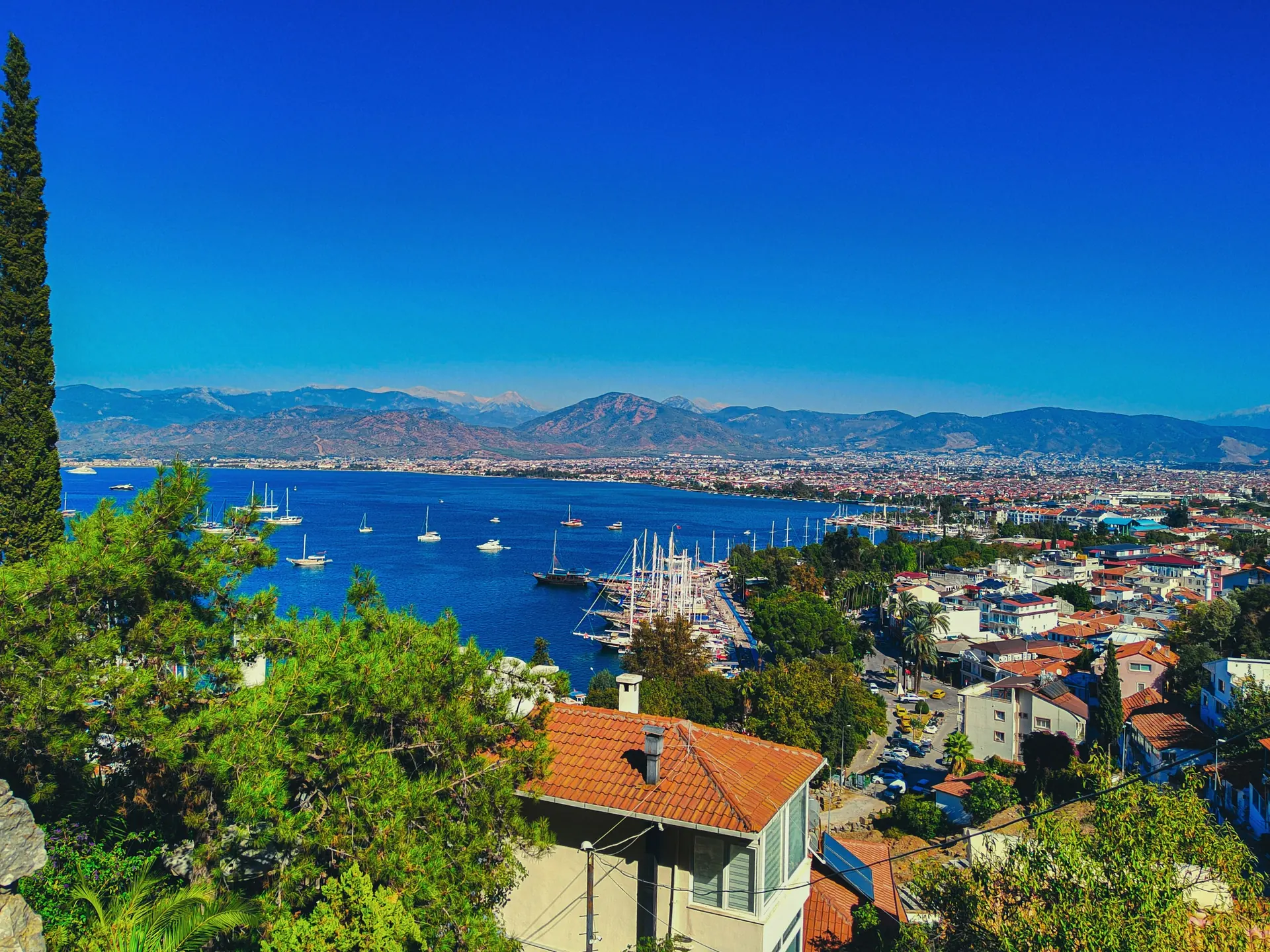
📷 Fethiye Hilmi Can Taskiran
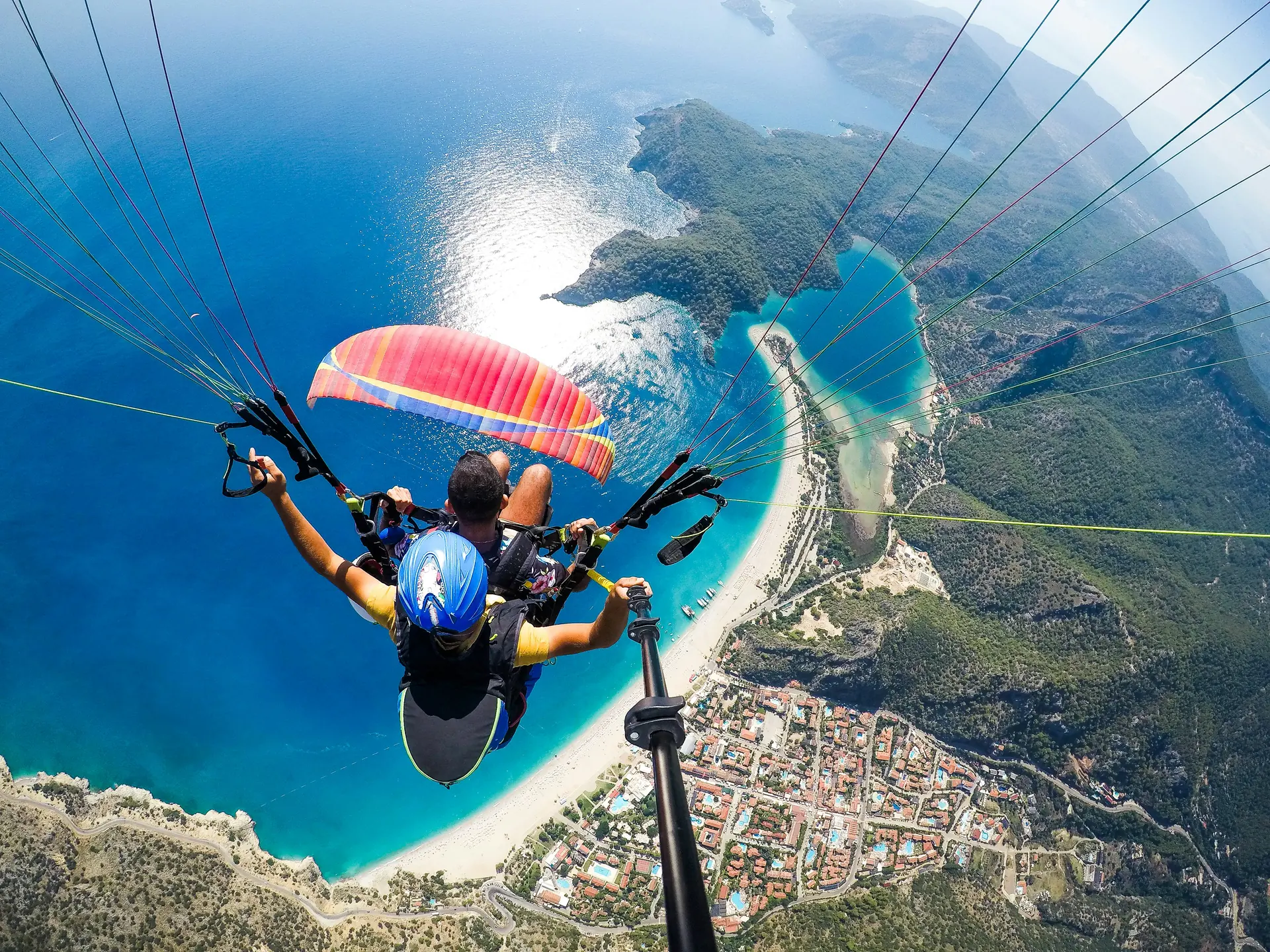
📷 Fethiye Charbel Aoun
Fethiye
History of the City
Overview
Thanks for Reading!
We hope this guide helps you explore Fethiye. Stay tuned for more travel tips!
See you in the next adventure! 🌍
×
![City History travel guide image]()
🌟 Book Your Excursions — Free Hotel Pickup!
Staying in Avsallar, Alanya, Incekum, Konakli, Mahmutlar, Okurcalar, Side, Manavgat, Kemer, Belek or anywhere in the Antalya region? Siwix Tour offers 57+ excursions with free hotel pickup from every major resort — book easily online.
🚤 Boat Trips & Sea Adventures
Big Kral Boat Trip
Caves, bays & swimming stops · Soft drinks incl.
from €35 Big Kral Pirate Boat Trip
Beer & wine included · Party atmosphere
from €40 Big Kral Sunset Boat Tour
Watch the Mediterranean sunset from a gulet
from €40 Alanya Pirate Boat
Fun for all ages · Bazaar stop included
from €22 Green Canyon Boat & Fishing
Otherworldly green waters + fishing
from €35 Suluada Island (Turkey's Maldives)
Electric-blue waters & white pebble shores
from €50 Manavgat River Boat & Waterfall
Scenic river cruise to the Manavgat falls
from €37 Private Boat / Yacht Rental
Your own private boat — fully customisable
Price on request
Caves, bays & swimming stops · Soft drinks incl.
from €35 Big Kral Pirate Boat Trip
Beer & wine included · Party atmosphere
from €40 Big Kral Sunset Boat Tour
Watch the Mediterranean sunset from a gulet
from €40 Alanya Pirate Boat
Fun for all ages · Bazaar stop included
from €22 Green Canyon Boat & Fishing
Otherworldly green waters + fishing
from €35 Suluada Island (Turkey's Maldives)
Electric-blue waters & white pebble shores
from €50 Manavgat River Boat & Waterfall
Scenic river cruise to the Manavgat falls
from €37 Private Boat / Yacht Rental
Your own private boat — fully customisable
Price on request
🏔️ Adventure Sports & Safaris
Alanya Jeep Safari
Mountain trails, villages & waterfalls
from €40 Sapadere Canyon Jeep Safari
Breathtaking canyon with cool waterfalls
from €39 Green Canyon Disco Bus Safari
Open-top bus · waterfalls · non-stop music
from €26 Alanya Quad Safari (Premium)
Power through mountain ATV trails
from €40 Alanya Buggy Safari
Race through terrain in a powerful buggy
from €40 Paragliding & Skydiving
Soar above Alanya Castle & turquoise sea
from €55 Alanya Zipline Park
One of the region's most thrilling zip lines
from €68 Rafting + Buggy + Zipline + Jeep (Premium)
Ultimate packed adventure day
from €45 Scuba Diving (Premium)
Caves & marine life · no experience needed
from €55 Alanya Fishing Trip
Half-day sea fishing with rods & crew
from €40
Mountain trails, villages & waterfalls
from €40 Sapadere Canyon Jeep Safari
Breathtaking canyon with cool waterfalls
from €39 Green Canyon Disco Bus Safari
Open-top bus · waterfalls · non-stop music
from €26 Alanya Quad Safari (Premium)
Power through mountain ATV trails
from €40 Alanya Buggy Safari
Race through terrain in a powerful buggy
from €40 Paragliding & Skydiving
Soar above Alanya Castle & turquoise sea
from €55 Alanya Zipline Park
One of the region's most thrilling zip lines
from €68 Rafting + Buggy + Zipline + Jeep (Premium)
Ultimate packed adventure day
from €45 Scuba Diving (Premium)
Caves & marine life · no experience needed
from €55 Alanya Fishing Trip
Half-day sea fishing with rods & crew
from €40
🏛️ Culture, History & Day Trips
Side Ancient City & Manavgat Waterfall
Ruins · Manavgat Mosque · Hidden waterfall
from €30 Aspendos, Side & Manavgat Tour
Best Roman theatre in the world + Side ruins
from €60 Alanya City Tour & Cable Car
Castle · Red Tower · harbour · cable car
from €45 Antalya City Tour from Alanya
Kaleiçi old town · Hadrian's Gate · Museum
from €63 Demre, Myra & Kekova Sunken City
Santa Claus church · Lycian ruins · sunken city
from €95 Pamukkale & Salda Lake (1 Day)
White calcium terraces · turquoise Salda Lake
from €90 Cappadocia 2-Day Premium Tour
Hot air balloons · fairy chimneys · underground cities
from €149 Turkish Breakfast & Village Tour
Traditional village life & fresh local breakfast
from €45
Ruins · Manavgat Mosque · Hidden waterfall
from €30 Aspendos, Side & Manavgat Tour
Best Roman theatre in the world + Side ruins
from €60 Alanya City Tour & Cable Car
Castle · Red Tower · harbour · cable car
from €45 Antalya City Tour from Alanya
Kaleiçi old town · Hadrian's Gate · Museum
from €63 Demre, Myra & Kekova Sunken City
Santa Claus church · Lycian ruins · sunken city
from €95 Pamukkale & Salda Lake (1 Day)
White calcium terraces · turquoise Salda Lake
from €90 Cappadocia 2-Day Premium Tour
Hot air balloons · fairy chimneys · underground cities
from €149 Turkish Breakfast & Village Tour
Traditional village life & fresh local breakfast
from €45
🦁 Wildlife, Theme Parks & Family Fun
Land of Legends Theme & Water Park
Turkey's biggest theme park + water park
from €60 Land of Legends Full Day + Night Shows
Theme park day + spectacular night shows
from €85 Alanya Aquapark (Water Park)
Slides, wave pools & splash fun for all ages
from €55 Alanya Dolphin Show
Dolphin, sea lion & bird shows
from €35 Swimming with Dolphins
Swim & interact with dolphins up close
from €180 Lion Park & Jeep Safari
Meet lions + 4x4 mountain trails
from €40 Antalya Aquarium Tour
One of Europe's largest aquariums
from €54 Alanya Night Safari
Night jeep safari through the mountains
from €32
Turkey's biggest theme park + water park
from €60 Land of Legends Full Day + Night Shows
Theme park day + spectacular night shows
from €85 Alanya Aquapark (Water Park)
Slides, wave pools & splash fun for all ages
from €55 Alanya Dolphin Show
Dolphin, sea lion & bird shows
from €35 Swimming with Dolphins
Swim & interact with dolphins up close
from €180 Lion Park & Jeep Safari
Meet lions + 4x4 mountain trails
from €40 Antalya Aquarium Tour
One of Europe's largest aquariums
from €54 Alanya Night Safari
Night jeep safari through the mountains
from €32
♨️ Wellness, Spa & Romantic Experiences
Alanya Hammam & Spa (Economic)
Authentic Turkish bath at budget price
from €20 Alanya Hammam Turkish Bath (Premium)
Luxury scrub, foam massage & relaxation
from €25 Proposal / Anniversary on Private Yacht
Most romantic experience on the Turkish Riviera
from €550
Authentic Turkish bath at budget price
from €20 Alanya Hammam Turkish Bath (Premium)
Luxury scrub, foam massage & relaxation
from €25 Proposal / Anniversary on Private Yacht
Most romantic experience on the Turkish Riviera
from €550
✈️ Airport Transfers — Fast & Reliable
Antalya Airport Transfer
Direct shuttle to/from all Alanya resorts
from €70 Gazipaşa Airport Transfer
Closest airport to Alanya · direct hotel drop
from €60 VIP Private Transfer Anywhere in Turkey
Premium door-to-door private service
Price on request
Direct shuttle to/from all Alanya resorts
from €70 Gazipaşa Airport Transfer
Closest airport to Alanya · direct hotel drop
from €60 VIP Private Transfer Anywhere in Turkey
Premium door-to-door private service
Price on request
📍 Free Hotel Pickup From Your Resort
Avsallar · Alanya · Incekum · Konakli · Mahmutlar · Okurcalar · Side · Manavgat · Kemer · Belek · Antalya