The Ottoman Empire officially absorbed the region. Manavgat lost its frontier status and was integrated into the administrative network of the Teke Sanjak (district).
Ottoman Administration and Nomad Culture
Under Ottoman rule, Manavgat settled into a quiet but vital role as a regional agricultural hub. Because the coastal city of Side was largely abandoned by the 10th to 14th centuries due to continuous corsair raids and earthquakes, the inland settlement of Manavgat became the primary administrative locus for the surrounding villages.
Detailed Ottoman cadastral records (tahrir defterleri) from 1455, 1475, and the 16th century paint a vivid picture of local life.
The population was a distinct mix of settled farmers and the semi-nomadic Yörük (Turkmen nomads).
History Studies International Journal of History
The Yörüks shaped the cultural fabric of the region for centuries. They spent their winters in the warm, low-lying plains of Manavgat cultivating grains, sesame, and cotton, and migrated up into the high alpine pastures of the Taurus Mountains during the scorching summer months to graze their livestock.
The 20th Century to Present: Modern Transformation
At the turn of the 20th century, Manavgat underwent rapid administrative re-organization, officially gaining its independent district status in 1914.
For the first half of the century, Manavgat remained a localized market town driven almost entirely by small-scale farming. However, the late 20th century brought a sweeping economic transformation driven by two major developments:
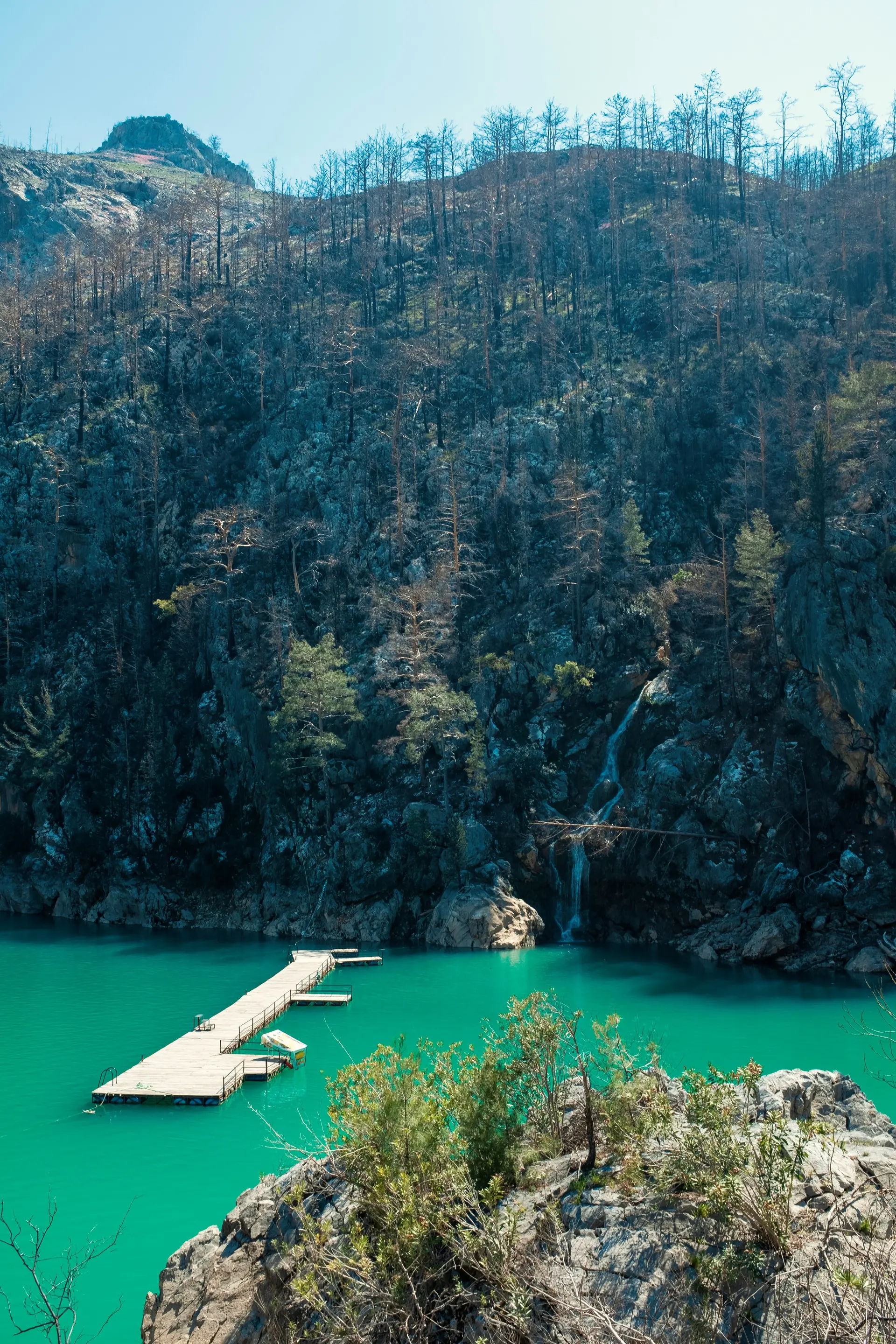
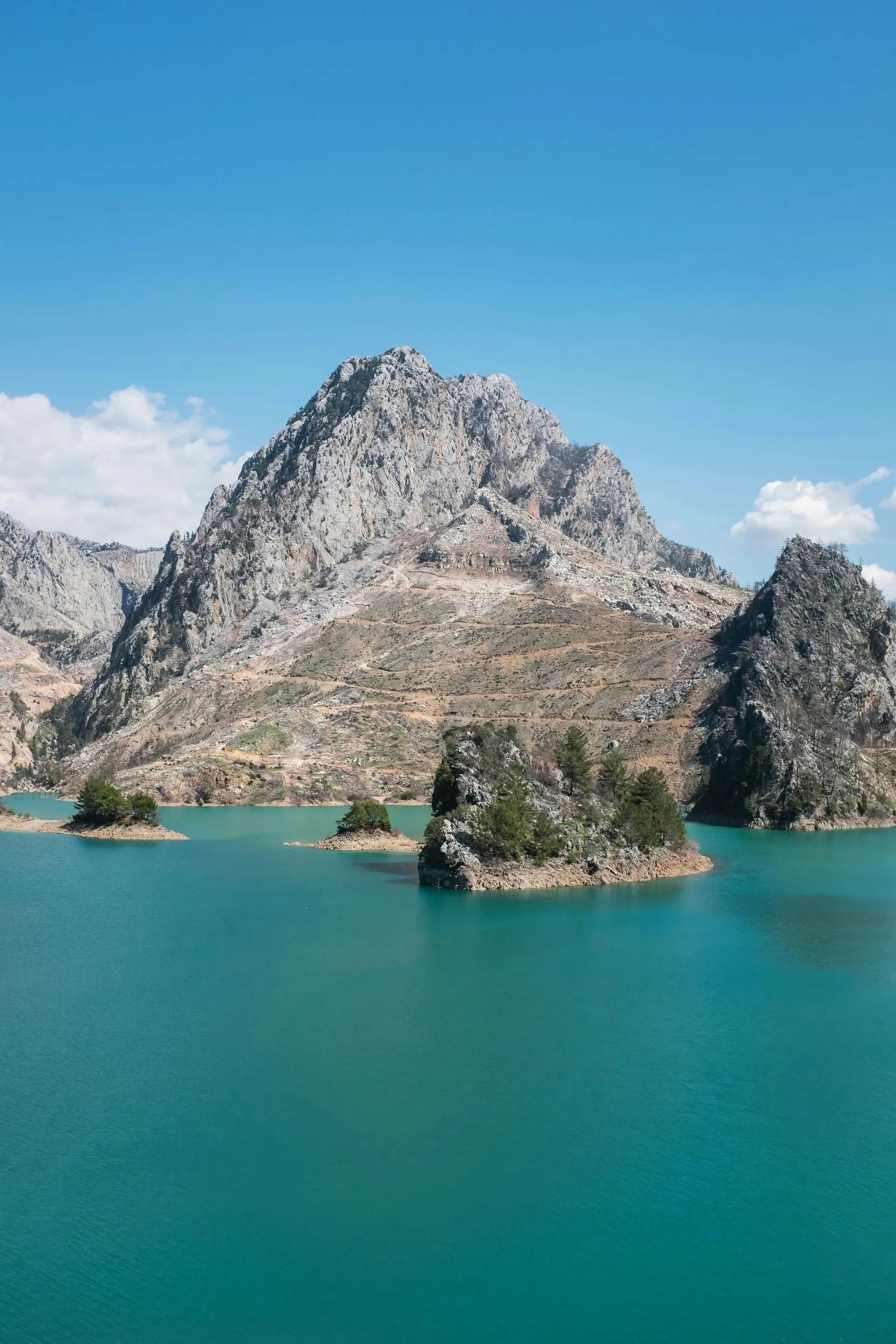
Hydroelectric Power & Water Regulation: The construction of the massive Oymapınar Dam (1984) and the Manavgat Dam (1987) tamed the volatile river.
These projects provided steady electrical infrastructure, stabilized agricultural irrigation, and created stunning emerald-green reservoirs that paved the way for eco-tourism.
The Global Tourism Boom: As the adjacent ancient peninsula of Side transformed into one of the crown jewels of the Turkish Riviera, modern Manavgat expanded exponentially to serve as the residential, commercial, and logistical engine of the district.
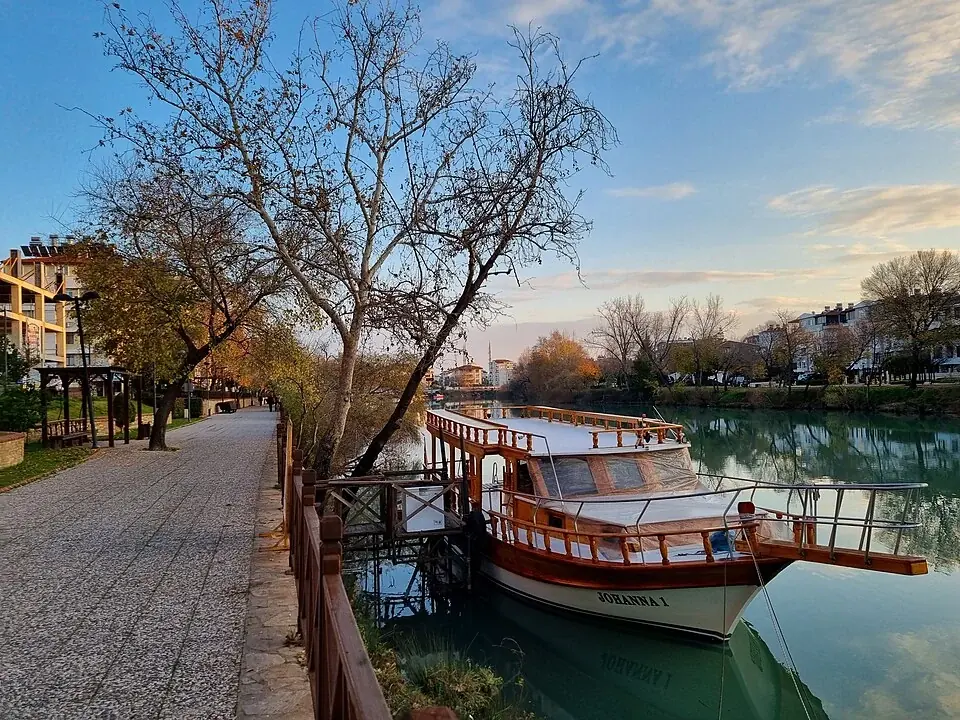
Today, Manavgat balances its identity as a bustling, modern city of over 260,000 residents with its rich heritage.
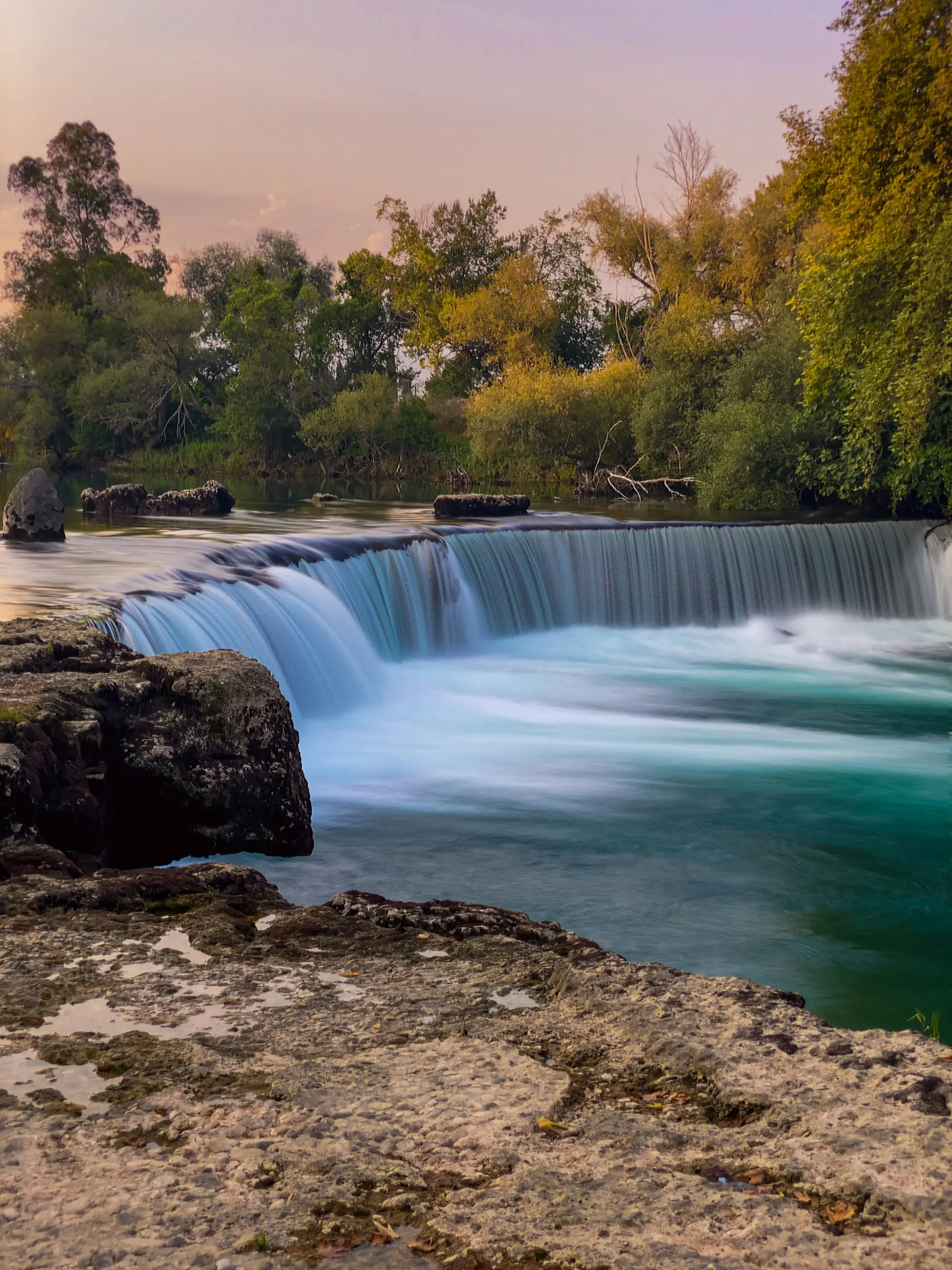
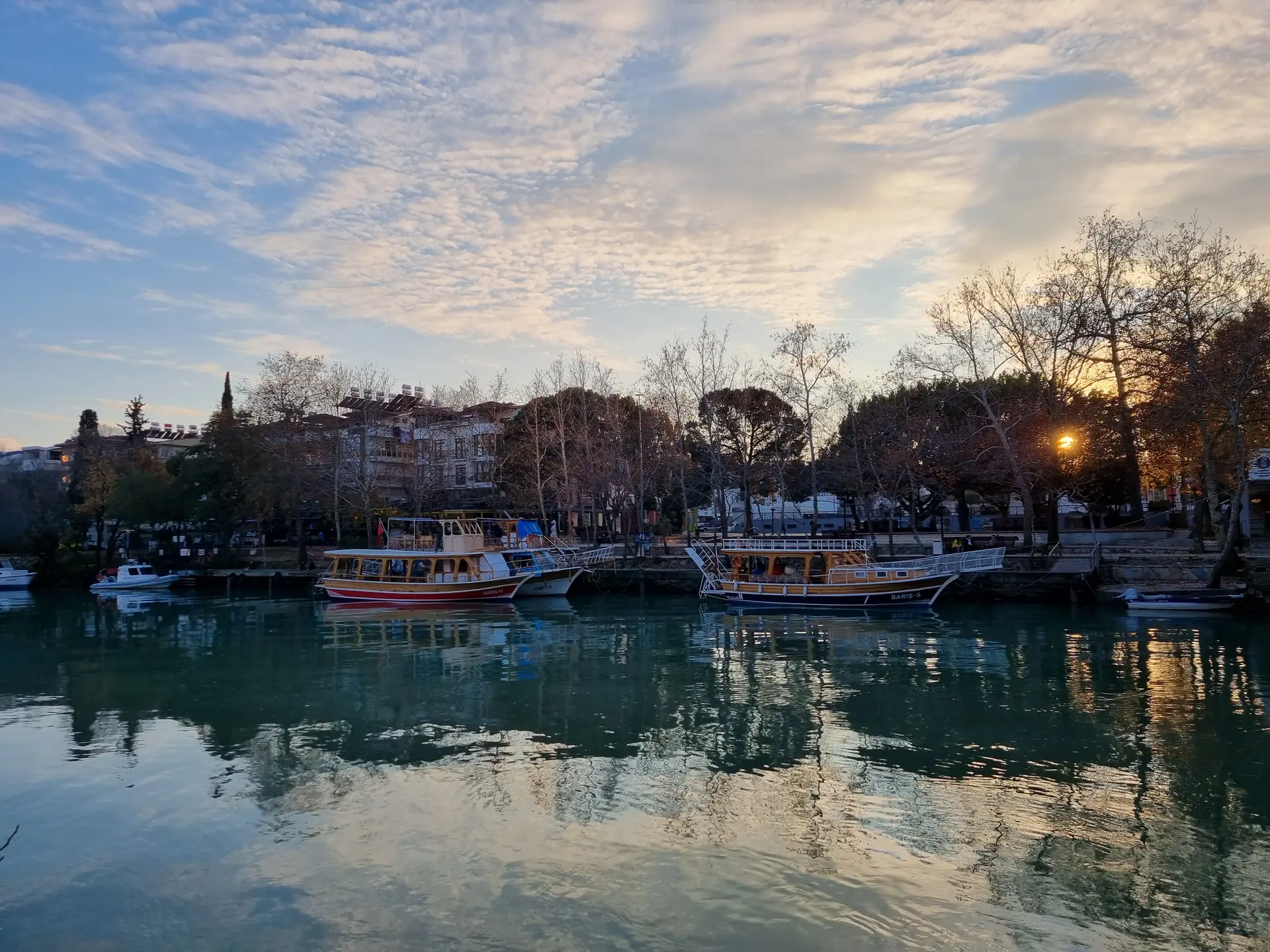
While its physical architecture is largely contemporary due to rapid 21st-century urbanization, its history lives on in the ancient ruins dotting its borders, the ancestral paths of the Yörük nomads, and the timeless flow of the river that has defined it since antiquity.
.webp)